A Life Well Lived

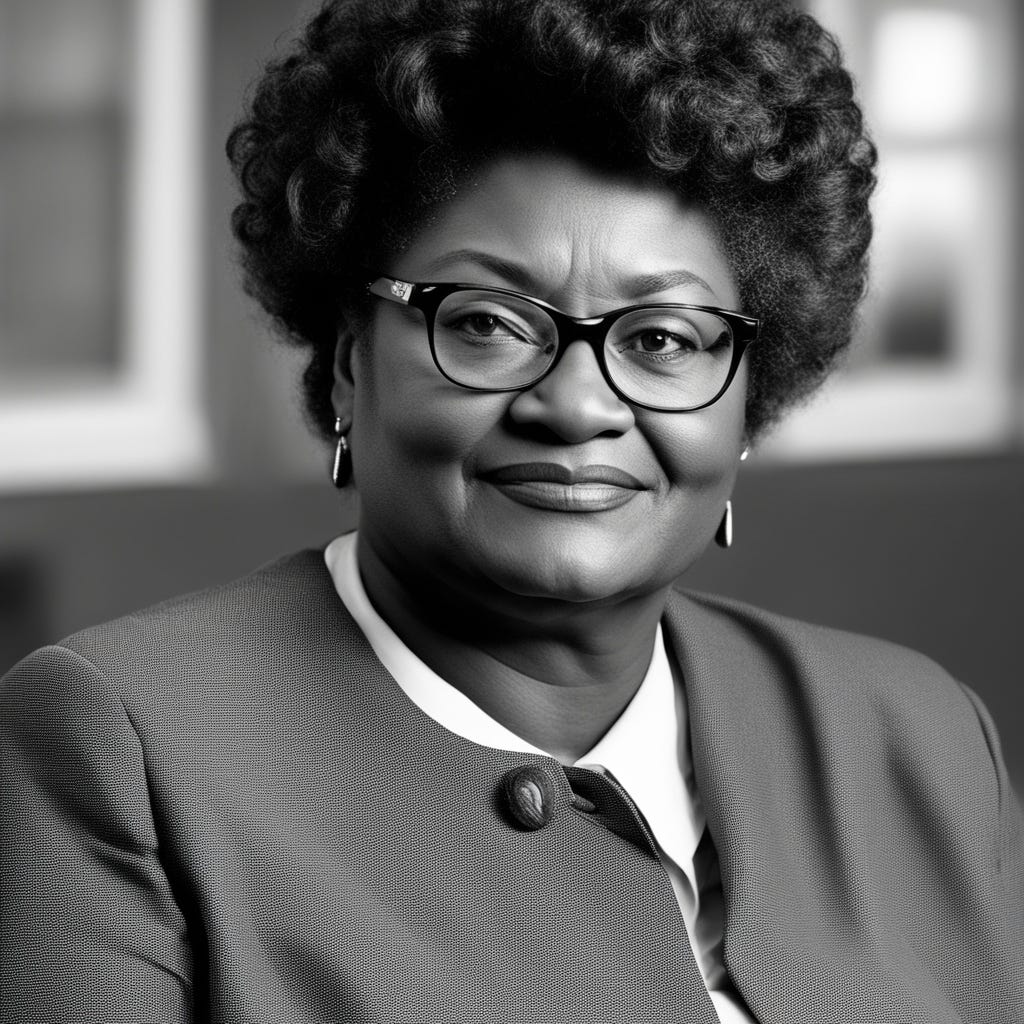
Claudette Colvin died yesterday without many knowing her name or achievements.
Like many Black women, her activities during the Civil Rights era were overshadowed by men.
Her life is a reminder that the Civil Rights movement didn’t begin or end with luminaries like Dr. Martin Luther King, Jesse Jackson, or John Lewis.
Many common folks, folks who were tired of being treated like second-class citizens, put their lives at risk to achieve freedom for themselves and those who followed.
A fifteen-year-old Claudette had been studying about the burgeoning Civil Rights movement in school and was on her way home from her studies when her moment in history arrived.
At that time, southern states enforced segregated bus seating.
If a White person got on the bus, and there were no White seats vacant, the bus driver would order Black passengers to move all the way to the back or stand to accommodate White passengers.
This happened to Claudette. She and another Black woman were instructed to move when a White woman got on the bus and didn’t have an available seat.
Claudette refused to move.
The bus driver called the police and Claudette was arrested.
She was arrested for violating segregation laws, disturbing the peace, and battering and assaulting a police office. (The latter never happened because Claudette would have been killed for resisting arrest).
She was initially convicted of all three charges, although the segregation law violation and disturbing the peace charges were dropped on appeal.
Her case was closely followed by Dr. King and other civil rights leaders, and she was represented in court by noted civil rights attorney Fred Gray. She joined three other plaintiffs in the Browder v. Gayle federal case that eventually led to the end of segregation on public transportation.
Her arrest came nine months before the arrest of her mentor Rosa Parks, who also refused to give up her bus seat to a White person.
Why was Claudette Colvin’s case not publicized like the much more famous Parks case?
At the time of her arrest, she was pregnant and unmarried. If she had received more press attention during that time, she would have been publicly ridiculed.
Public relations were seen as important to reinforce the correctness of the movement. Elevating the case of a light-skinned working woman seemed more palatable than that of a pregnant, darker-skinned high school student.
Thus, Rosa Parks became a symbol of the movement, and one of the few women to receive recognition for her actions.
After the case was won, Claudette gave birth to a son but struggled to find work. She eventually moved to New York City.
She eventually gave birth to another son and worked as a nurse’s aide for 35 years.
She shunned the spotlight, even after her story received more attention years after she made her stand against racial prejudice.
Like many, she lived a quiet life of service.
The Civil Rights movement was successful not only because of stirring orators like Dr. King, and fearless marchers and organizers like John Lewis, Andrew Young, and Hosea Williams.
It succeeded because of people like Claudette Colvin.
Nameless, faceless people who yearned to be free from the invisible shackles of legalized racial segregation and prejudice.
If there are any lessons to be learned from her life, they are these:
Everyone who makes a difference isn’t famous.
Circumstances shouldn’t dictate your actions or involvement.
If you aren’t free enough, free yourself.
Thank you for another important and well stated essay. As a person whose skin happens to be "white" I failed to learn about so many ordinary people who stood up and fought for freedom, not just their freedom but freedom for all of us. The white-washed history I grew up learning in school failed these ordinary citizens. Thankfully, as I have gone through these past 60 years I have strived to find and hear these stories and grasped their important message, that every person matters no matter their color and if we want freedom then we have to be willing to stand up for freedom despite what might happen to us for using our voices. These stories from history are even more relevant in these times of gestapo like forces attacking every day citizens just trying to live their lives and often standing up for the freedom of others even if those others don't share the same skin tone as them. I have often asked myself what I would have done if I had lived in the 1940's as hitler was committing mass murder and dragging neighbors, coworkers, and friends into the streets then sending them to their deaths or what I would have done in the 1950's during the Civil Rights era. Would I have had the courage, morality, compassion, and humanity to stand up and join the fight. I appreciate your essays because they remind me how much ordinary citizens can do by simply caring enough about others to stand up and say, "This has to stop and I am willing to do my part to help it stop." We all have power, but it's wasted when we don't use it for good.
I love meeting people through your eyes.